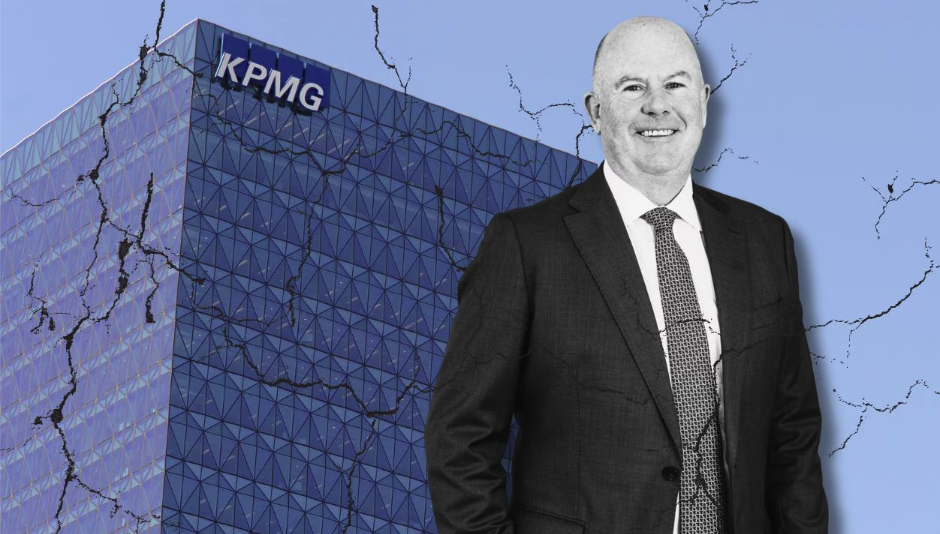
Leadership exits, regulatory scrutiny, and allegations of confidential client data misuse have triggered one of the biggest governance crises facing a Big Four firm since the PwC tax leaks controversy.
KPMG Australia has been thrust into a major corporate governance crisis after Chief Executive Officer Andrew Yates resigned following mounting scrutiny over the firm’s handling of whistleblower allegations involving the alleged misuse of confidential client information.
The resignation marks one of the most significant leadership departures in Australia’s professional services sector in recent years and adds to growing concerns surrounding ethics, transparency, and accountability within the country’s Big Four consulting and audit firms. (Reuters)
Yates stepped down with immediate effect after KPMG publicly acknowledged that its treatment of a whistleblower and subsequent investigations into the allegations “fell short” of expectations. The firm’s National Managing Partner for Audit and Assurance, Julian McPherson, also resigned from his leadership position and is expected to leave the firm following a transition period. (KPMG)
The scandal has quickly evolved beyond an internal personnel matter into a broader debate about trust, audit independence, and governance within one of the world’s largest accounting networks.
The Allegations That Triggered the Crisis
At the center of the controversy are whistleblower claims that KPMG personnel improperly accessed and shared confidential client documents and audit-related information while pursuing business opportunities with major corporate clients.
According to allegations aired under parliamentary privilege and later discussed publicly, confidential materials associated with companies including Lendlease, Westpac, Macquarie Group, and other major organizations may have been accessed or utilized inappropriately during audit tender processes. (The Guardian)
The whistleblower, reportedly a former KPMG audit director, alleged serious breaches involving confidential board papers, audit independence concerns, and the potential misuse of privileged client information to gain competitive advantages in securing audit engagements. (thesaturdaypaper.com.au)
The allegations surfaced at a particularly sensitive time for Australia’s consulting industry, which is still recovering from the fallout of the PwC tax leaks scandal that significantly damaged public trust in the Big Four firms. (Financial Times)
KPMG’s Internal Investigation Comes Under Fire
What ultimately intensified the crisis was not only the allegations themselves but the firm’s handling of the complaints.
Initially, KPMG maintained that internal reviews and external legal assessments had found no evidence supporting the whistleblower’s claims. Senior leadership publicly defended the firm’s investigative processes and stated that allegations remained unsubstantiated. (Bloomberg Tax)
However, as the controversy escalated, the firm later admitted that its investigation process lacked sufficient rigor and failed to meet both internal standards and public expectations.
In an official statement, KPMG acknowledged that its treatment of the whistleblower and management-led investigations had fallen short of expectations. The firm subsequently commissioned additional reviews and brought in external legal and ethics advisors to reassess the matter. (KPMG)
The admission significantly altered the narrative surrounding the scandal.
What initially appeared to be a dispute over allegations evolved into a broader failure of governance, oversight, and whistleblower protection.
Andrew Yates Accepts Accountability
Andrew Yates, who became CEO of KPMG Australia in 2021 and had recently received a leadership term extension through 2027, stated that he accepted accountability for the firm’s failures in handling the whistleblower process. (consultancy.com.au)
In public remarks following his resignation, Yates acknowledged that KPMG had promoted a “speak-up culture” but admitted the organization had failed to uphold those principles in this instance. (ABC News)
His departure is particularly notable because Yates had previously positioned himself as a supporter of stronger whistleblower protections and transparency within the consulting industry.
During earlier parliamentary discussions surrounding consulting sector integrity, he had publicly emphasized the importance of ensuring employees felt safe raising concerns and receiving fair investigation outcomes. (The Australian)
The contrast between those commitments and the firm’s handling of the current case has become a major focus of criticism.
Regulatory and Parliamentary Pressure Intensifies
The controversy has attracted significant attention from regulators and lawmakers.
Australia’s corporate regulator, the Australian Securities and Investments Commission (ASIC), has launched a preliminary investigation into the conduct of several KPMG auditors connected to the allegations. While ASIC stated it was not directly involved in the executive resignations, the regulatory review has intensified scrutiny on the firm’s audit practices and governance structures. (Reuters)
The issue has also been discussed extensively in parliamentary inquiries, where Senator Deborah O’Neill played a prominent role in bringing aspects of the whistleblower’s concerns into the public domain. (The Guardian)
Parliamentary discussions have highlighted concerns not only about the alleged misuse of confidential information but also about how whistleblower complaints were handled after being raised internally.
For governance experts, this aspect of the case may ultimately prove more damaging than the original allegations themselves.
Broader Ethical Questions for the Big Four
The scandal arrives during a period of heightened scrutiny for the Big Four accounting and consulting firms globally.
In Australia, trust in the consulting industry was already weakened following PwC’s confidential tax information controversy, which triggered government reviews, client losses, and extensive regulatory criticism. (Financial Times)
Now KPMG finds itself facing similar questions around:
- ethical governance
- conflicts of interest
- audit independence
- whistleblower protections
- accountability structures
Critics argue that large professional services firms face growing tensions between commercial growth objectives and their responsibilities as independent auditors and trusted advisors.
The allegations surrounding KPMG have reignited discussions about whether stronger structural reforms may be needed across the industry.
Some governance advocates have renewed calls for clearer separation between audit and consulting functions, arguing that existing business models may create incentives that undermine independence. (The Australian)
Leadership Transition and the Road Ahead
Following Yates’ departure, KPMG Australia has appointed Stan Stavros as interim CEO while the firm searches for a permanent successor. An interim replacement for the Audit and Assurance leadership role is also expected to be announced. (KPMG)
KPMG Chairman Martin Sheppard has publicly apologized to the whistleblower and acknowledged shortcomings in the firm’s response to the concerns raised. The organization has committed to reviewing its whistleblower processes, governance mechanisms, and investigative procedures. (News.com.au)
Whether those reforms will be enough to restore confidence remains uncertain.
For clients, regulators, employees, and investors, the incident has raised deeper questions about how large professional services firms handle internal accountability when allegations involve senior personnel and commercially sensitive matters.
A Defining Moment for Corporate Governance
The resignation of Andrew Yates is more than a leadership change at one accounting firm.
It represents a broader test of how major institutions respond when whistleblowers challenge internal practices and governance structures.
In an era where organizations increasingly promote transparency, ethics, and “speak-up” cultures, stakeholders expect those commitments to be demonstrated not only in policy documents but also in action.
For KPMG Australia, the coming months will likely determine whether the firm can rebuild trust, strengthen governance, and move beyond a scandal that has shaken one of the country’s most influential professional services organizations.
For the wider consulting and audit industry, the episode serves as another reminder that reputation can be damaged not only by misconduct itself, but also by failures in how concerns are investigated, addressed, and communicated.
As regulators continue their inquiries and additional reviews unfold, the KPMG whistleblower scandal may become one of the defining corporate governance stories of the year.